
News / Do Ball Pythons Bite? What It Feels Like and Why
Do Ball Pythons Bite? What It Feels Like and Why
- Ball python bites are uncommon, mild, and preventable. Most keepers compare a bite to a quick pinch or rubber band snap.
- Bites fall into two categories: defensive strikes (fear) and feeding-response strikes (mistaken identity). Neither is aggression.
- Wash your hands before handling, approach from the side, and skip handling during shed. These three habits prevent most bites.
- Ball pythons are not venomous. Clean any bite with soap and water. No medical treatment needed beyond basic wound care.
Yes, ball pythons can bite. No, it is not what you are imagining. If the fear of being bitten is the only thing standing between you and your first ball python, this article should put it to rest. Bites are uncommon, rarely painful, and almost always preventable once you understand why they happen.
In This Guide
What a ball python bite feels like
A bite from a hatchling ball python feels like a quick pinch. It startles you more than it hurts. Most people compare it to getting snapped by a small rubber band or pricked by a row of tiny pins.
An adult ball python bite is more pressure than pain. Their teeth are small, rear-facing, and designed for gripping prey, not tearing. The bite itself lasts a fraction of a second in most cases. Defensive strikes are fast and the snake releases immediately. Feeding-response strikes sometimes involve the snake holding on, but even then, the discomfort is mild.
Ball pythons are not venomous. There is no medical risk from a bite beyond basic wound care. Clean it with soap and water, apply an antiseptic, and move on. Most bites do not even break the skin.
Perspective
A ball python bite from a full-grown adult is less painful than a cat scratch. Most experienced keepers do not even react to it anymore. The anticipation is worse than the bite itself.
Why ball pythons bite
Ball pythons are not aggressive animals. The name says it. When they feel threatened, they curl into a ball. Biting is a last resort, and most ball pythons go their entire lives without biting their keeper. When bites do happen, they fall into two categories.
Defensive strikes
A defensive strike is the snake saying "back off." It happens when the snake feels cornered, startled, or threatened. Triggers include:
- Reaching into the enclosure too fast. A hand coming from above mimics a predator. Slow, deliberate movements from the side reduce the chance of a defensive strike.
- Handling during shed. A ball python in blue has limited vision. Everything looks like a threat when you cannot see clearly. Leave the snake alone during the shed cycle.
- New environment stress. A snake in a new enclosure is on high alert. Give it one to two weeks to settle before handling.
- Being woken up suddenly. Ball pythons are nocturnal. Reaching into a hide and grabbing a sleeping snake is going to get a reaction.
Defensive strikes are quick. The snake hits, releases, and retreats. It does not want to hold on. It wants you to go away.
Getting your first ball python?
Start Organized From Day One.
THE RACK's free tier lets you log handling sessions, feeding schedules, and sheds for up to 5 animals. No cost. No commitment.
Get Started FreeFeeding-response strikes
A feeding-response bite is not aggression. It is a case of mistaken identity. The snake smells food (or thinks it smells food) and strikes at the nearest warm, moving thing. Your hand.
This usually happens when you reach into the enclosure right after handling prey, or when the snake is in a strong feeding response and you open the enclosure at its regular feeding time. The snake is primed to eat. Your hand shows up instead of a rat.
With a feeding response bite, the snake may hold on and start to wrap. This is instinct, not malice. Stay calm. Do not pull the snake off. Support its body and gently guide its head toward the tail end. It will realize you are not food and release on its own. Running the snake's head under cool water also works if it does not let go.
Ball pythons do not want to bite you. Every bite has a reason, and most are preventable.
How to prevent bites
Good habits for handling
Wash your hands before handling
If your hands smell like rodents, the snake will react accordingly. Soap and water before every interaction.
Use a hook or gentle tap
Lightly touching the snake with a hook or the back of your hand before picking it up signals "this is handling time, not feeding time." This breaks the feeding response association.
Approach from the side, not above
Predators come from above. Your hand swooping down into the enclosure triggers the same instinct. Come in from the side, slowly, at the snake's level.
Skip handling during shed and after feeding
The snake cannot see well during shed and is more defensive. After eating, wait 48 hours. Handling too soon can cause regurgitation and stress.
Support the body with both hands
Pick the snake up supporting its weight at the midpoint and rear third. A snake that feels secure does not feel the need to defend itself.
Reading your snake's body language
Ball pythons telegraph their mood. Learn to read it:
- S-shaped neck posture. The snake is coiled and ready to strike. This is a clear warning. Back off and try again later.
- Tight ball. The snake is scared, not aggressive. Give it time. Do not force a ball out of its defensive curl.
- Tongue flicking calmly while moving. The snake is relaxed and exploring. This is the best time to handle.
- Hissing. Stress signal. The snake is telling you it does not want to be touched right now. Respect it.
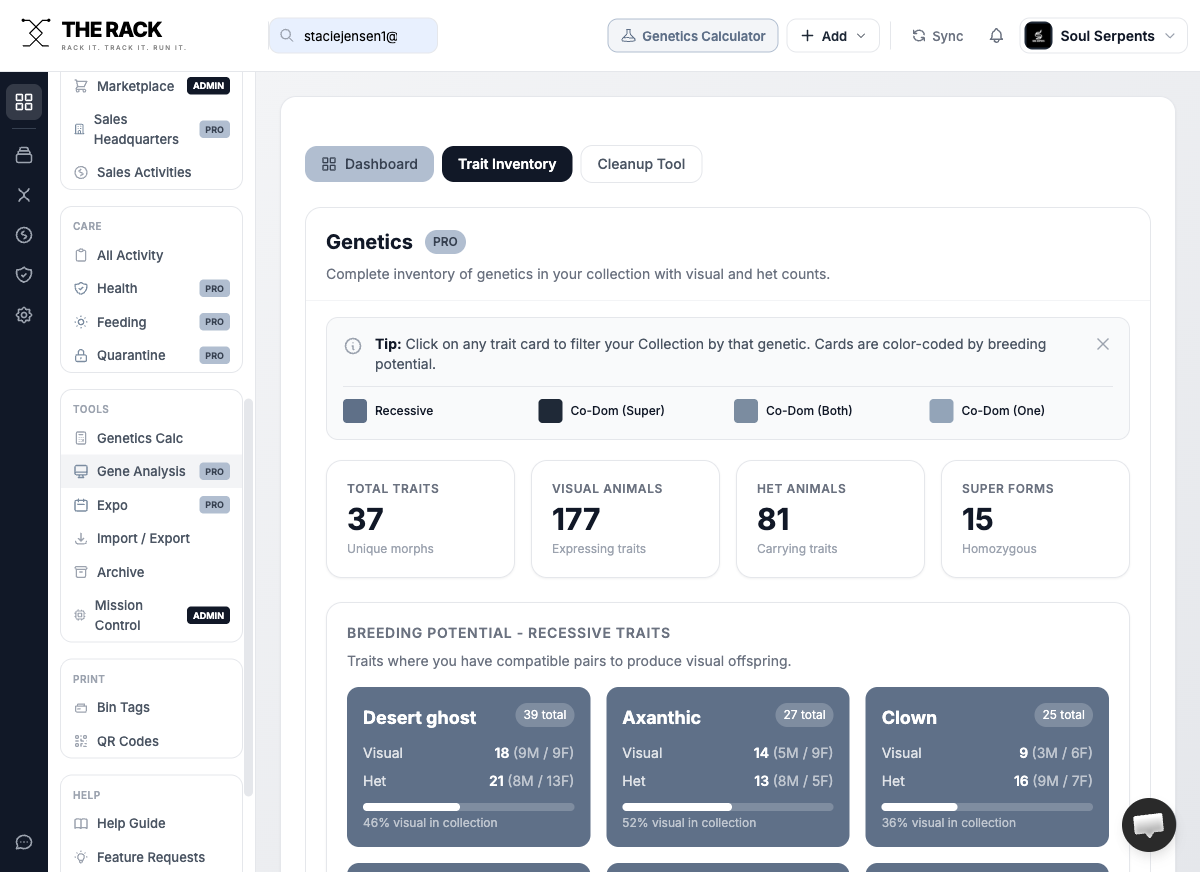
Want to log handling sessions and feeding schedules?
Know Your Snake's Patterns. Prevent Problems.
THE RACK logs every interaction so you see what is normal for your animal and what is not. Free for up to 5 animals.
Get Started FreeFirst aid for a ball python bite
If a ball python bites and breaks the skin, clean the wound with warm water and soap. Apply an antiseptic like rubbing alcohol or hydrogen peroxide. Cover with a bandage if needed. Monitor for signs of infection (redness, swelling, warmth) over the next few days, though infection from ball python bites is rare.
Do not punish the snake. It did not bite out of malice. Yelling at, flicking, or dropping a snake after a bite teaches it nothing except that you are a threat. Stay calm, address the wound, and move on.
The Bottom Line
Ball pythons are one of the most docile snake species in the hobby. Bites are rare, mild, and preventable. The fear is almost always bigger than the reality.
Should bites change your mind about getting one?
No. If a ball python bite were a serious concern, the species would not be the most popular pet snake in the world. They earned that reputation by being calm, slow-moving, and predictable. Millions of ball pythons are handled every day without incident.
The new owners who have the best experience are the ones who learn their snake's behavior early. Logging handling sessions, noting when the snake is relaxed versus defensive, and tracking feeding days so you know when to leave the snake alone. These habits build confidence on both sides of the glass.
THE RACK's free tier gives you a place to log handling notes, feeding schedules, and behavioral observations from day one. When you know your snake's patterns, you stop guessing and start understanding.
Content verified against THE RACK breeding database. Behavioral data and handling protocols sourced from active keeper and breeder programs. Last reviewed April 2026.
Built by a Breeder
Your First Snake.
Your First System.
Feeding logs. Handling notes. Shed tracking. Weight trends. Start managing your ball python the right way. Free for up to 5 animals.
See THE RACKFree for up to 5 animals. Keeper $10/mo. Breeder $20/mo. 7-day money-back guarantee.