
News / Selling Ball Pythons on MorphMarket: New Breede...
Selling Ball Pythons on MorphMarket: New Breeder Guide
- Complete your store profile with logo, bio, and clear policies before listing your first animal
- Photography sells animals. Clean background, good lighting, sharp focus. A smartphone with natural light outperforms a DSLR in bad light
- Price from sold listings, not active ones. What animals are listed at and what they sell for are two different numbers
- Include feeding records in every listing. Buyers want proof the animal is eating
- Ship with report cards, invoices, and lineage documentation. The seller with documentation gets the review and the referral
Your first clutch hatched. The hatchlings are eating. Now you need to sell them. MorphMarket is where most ball python transactions start, and getting your store right from the beginning sets the tone for everything that follows. This guide walks through setting up your store, photographing your animals, writing listings that convert, and building the kind of reputation that brings buyers back.
In This Guide
Setting Up Your MorphMarket Store
Your store profile
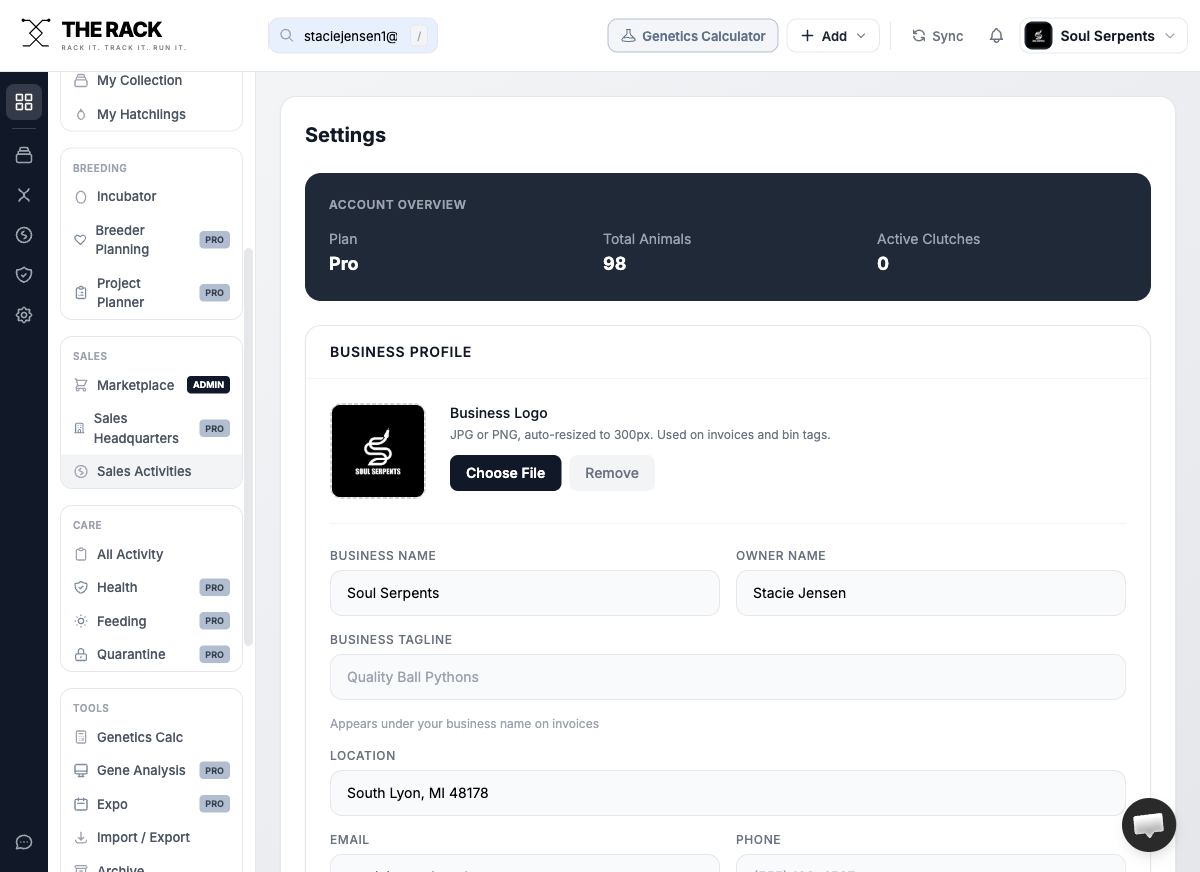
Your store profile is the first thing a buyer sees after clicking on one of your listings. Treat it like a storefront. A blank profile with no logo and no description tells buyers nothing about who you are or why they should trust you with their money.
Fill out every field. Add a logo or a clean photo of your program's best animal. Write a short bio: how long you have been keeping, what you specialize in, where you ship from. Keep it professional. Skip the life story. Buyers want to know two things: what you produce and whether you are legitimate.
Store policies
Clear policies prevent disputes. Before listing your first animal, define your terms:
- Shipping policy. Which carrier, what seasons you ship, how you handle weather delays. Ship with a reputable reptile shipper. Cold and hot packs, insulated boxes, and live arrival guarantees are the minimum.
- Return and refund policy. Most breeders do not accept returns on healthy animals. State it clearly so there is no confusion.
- Payment methods. PayPal, Venmo, Zelle, or credit card through MorphMarket's payment system. List what you accept.
- Hold and deposit policy. If you accept holds, state the deposit amount, whether it is refundable, and how long you will hold an animal. If you do not accept holds, say so.
First Impression
Buyers who see clear policies, a complete profile, and professional photos are more likely to message you. An incomplete store signals a seller who might not follow through.
Photographing Your Ball Pythons
Why photos matter more than genetics
A Banana Clown with bad photos will sit longer than a Normal with great ones. Photography is the single biggest factor in how fast your listings get attention. Buyers scroll through hundreds of listings. The photo is what stops them.
You do not need a professional camera. A smartphone with good lighting will outperform a DSLR in bad lighting every time.
The setup
Choose a clean background
Solid white, black, or neutral gray surface. Avoid busy patterns, carpet, and bedding. The animal should be the only thing in the frame.
Set up proper lighting
Natural light near a window works well. Avoid direct sunlight, which washes out colors. For night shoots, a ring light or two desk lamps angled from opposite sides eliminates harsh shadows.
Shoot multiple angles
Top-down shots show pattern and color. Side shots show body condition and head shape. Include both. Three to five photos per listing is the standard.
Prep the animal
Wipe the animal down with a damp cloth before photographing. A clean, hydrated snake photographs better than one covered in substrate dust. Tap the screen to focus on the head before taking the shot.
Want to sell with confidence from day one?
Health Records, Lineage, and Feeding History Travel With Every Animal.
THE RACK gives buyers everything they need to trust your program. Report cards and professional invoices ship with every sale.
See THE RACKWriting Listings That Sell
The title
Keep it clean and searchable. Put the full morph name first, then the sex, then any relevant detail. Banana Clown Female is better than Beautiful Baby Girl. Buyers search by morph name. Make sure yours shows up.
The description
Cover the basics: genetics (visual and het), hatch date, weight, feeding record, and parentage if it adds value. Do not write a paragraph about how special the animal is. Let the genetics and the photos do the talking.
Include the feeding record. A hatchling with 10 consecutive meals on frozen/thawed rats is a safer buy than one with no feeding history listed. Buyers know this. Give them the data.
If the animal carries hets, state them and explain how you know. "66% het Clown (from het x het pairing)" tells a buyer exactly what they are getting. Accuracy builds your reputation faster than anything else you can do on this platform.
The breeders who sell fastest are the ones who give buyers a reason to trust them before the first message.
Pricing
Price based on what animals with the same genetics are selling for, not what they are listed at. There is a big difference between a listing price and a sale price. Look at sold listings, not active ones. Active listings tell you what people are asking. Sold listings tell you what people are paying.
Factor in your production costs. What did the parents cost? What has the hatchling eaten? How long has it been in your rack? If the feed costs on a holdback are climbing past what the market will pay, you are losing money by waiting. Feeding cost analysis in THE RACK shows you the accumulated expense per animal so you price with the full picture, not a guess.
Building Seller Reputation
Communication
Respond to inquiries within 24 hours. Buyers message multiple sellers at once. The one who responds first with clear, helpful answers usually gets the sale. If you cannot ship right away, tell them when you can. If an animal they asked about is on hold, tell them immediately instead of letting them wait.
Packaging and shipping
How you ship an animal tells the buyer everything about your program. A snake arriving in a thin deli cup inside a cardboard box with no insulation is not going to earn you a repeat customer. Use insulated shipping boxes, appropriately sized containers, and seasonal heat or cold packs. Label the box clearly. Include care instructions for new owners.
Ship with a live arrival guarantee. It is standard in this industry. If a buyer is weighing two sellers with similar animals at similar prices, the one with a clear LAG wins.
Documentation
This is where most new sellers fall short. A buyer receives a snake with no paperwork, no lineage info, and no feeding record. They paid good money and got an animal with no provenance. Compare receiving a snake with a full report card: genetics breakdown, lineage, hatch date, weight trend, feeding history, and breeder info. The second seller gets the review, the referral, and the next sale.
Want this exact sales system for your program?
Manage Every Sale From Listing to Shipment.
THE RACK's Sales HQ tracks active listings, deposits, holds, and completed sales. Generate invoices and report cards in one click.
See THE RACKReviews and Repeat Buyers
MorphMarket reviews are public and permanent. Every transaction is an opportunity to build your store's credibility. After a successful delivery, follow up with the buyer. Confirm the animal arrived safely. Answer any questions about care. Ask if they would leave a review.
Most buyers will not leave a review unprompted. A polite follow-up message a few days after delivery is all it takes. Positive reviews stack up and become your most powerful sales tool over time.
Long Game
Your first 10 sales build the foundation. Professional photos, accurate genetics, clear communication, and proper documentation turn first-time buyers into repeat customers who send referrals.
Common Mistakes New Sellers Make
- Overpricing based on listing prices instead of sold data. What an animal is listed at and what it sells for are two different numbers. Price for the market, not for your ego.
- No feeding record in the listing. Buyers want to know the animal is eating well. "Eating F/T rats weekly" in the description builds confidence.
- Poor photos with busy backgrounds. A snake photographed on a towel with clutter in the background looks unprofessional. Clean background, good light, sharp focus.
- Slow response times. A buyer who messages three sellers will buy from the first one who answers with useful information.
- No shipping policies listed. If a buyer has to ask about your shipping terms, you have already added friction to the transaction.
- Inaccurate genetics. Listing an animal as "possible het" when you have no evidence of the het damages your credibility permanently. If you are not sure, say so.
Scaling From Your First Sale to a Real Program
Your first season on MorphMarket is about learning the process. How to price, how to ship, how to communicate. Your second season is about optimizing. Which morphs moved fast? Which sat? What did buyers ask for repeatedly?
The breeders who grow are the ones who treat sales data like breeding data. They track what sold, at what price, and how long it took. They adjust production based on what the market wants, not what they want to produce. Sales analytics in THE RACK show you revenue by morph, days on market, and average sale price so you can make production decisions with data instead of gut feeling.
Content verified against THE RACK breeding database. Sales workflows and pricing strategies sourced from active MorphMarket breeder programs. Last reviewed April 2026.
Built by a Breeder
Sell Like a
Professional.
Sales HQ. Invoices. Report cards. Feeding records. Lineage documentation. Everything your buyers need to trust your program.
See THE RACKFree for up to 5 animals. Keeper $10/mo. Breeder $20/mo. 7-day money-back guarantee.